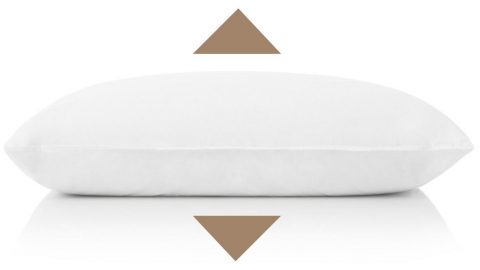
Your pillow’s filling (sometimes also called pillow stuffing or filler) defines its character. Depending on the type of pillow filling and the quantity used, your pillow can be totally unique and appropriate to your preferences: soft, firm, supportive, low or high loft. It’s your choice.
What’s the best pillow filling?
Ultimately, the way to find the perfect pillow fill is to try different types for yourself, but that can be a daunting task given the wide array of options available today. Each type of pillow filling has its own set of benefits and drawbacks, catering to different sleep preferences and needs.
To make this process a bit easier, we’ve compiled a comprehensive summary that outlines the most popular pillow filling types. This guide will help you understand the unique advantages and disadvantages of each filling, providing insights that can assist you in making an informed decision. Whether you seek extra support, breathability, or eco-friendly materials, this overview will serve as a helpful starting point in your quest for the perfect pillow.

1. Down Pillow Filling
The undercoating of a bird’s feathers is called down. More specifically, it’s the bottom, fluffy part of a bird’s feather. Down holds its loft up to 3 times longer than synthetic alternatives and is very soft.
Hungarian goose down (otherwise known as European white goose down) is considered to be the best quality.
These down clusters are pure white and larger than most other types. A real down pillow contains down only — no feathers. Frequently “down” is sold as a combination of down and feather fill. While feathers are an economical way to add volume, often the feathers’ quills will stick through the pillow poking your pretty face (ouch!) while you sleep.
Our friend Martha Stewart is fond of this type of pillow and suggests that you purchase only high-quality down fill due to its longevity.
“I have pillows on my beds that are 10 to 15 years old,” Martha says. In the long run, good-quality down is the least-expensive way to go since it holds up better than synthetic stuffings, which generally wear out in three to four years.
15 years old? I think Martha must take really good care of her pillows!
If you’re concerned about the well-being of animals, down comes at a considerable price. Down feathers are collected using one of three techniques: 1) post-mortem, after being killed for their meat, 2) live plucking or 3) gathering from live birds. In recent years, manufacturers have responded to these ethical concerns by introducing the “Responsible Down Standard,” a certification aimed at ensuring the humane treatment of birds and the ethical sourcing of down.
Advantages of Down Pillow Filling:
- moldable/malleable – a down pillow tends to hold its shape well, offering good support for your head and neck
- light and cuddly – down pillows are very light (heavy feathers don’t work very well for flying after all!) and soft
- durable – with proper care, a down pillow can last for several years
- sustainable – down is a renewable resource that is biodegradable and recyclable
Disadvantages of Down Pillow Filling:
- absorbs and retains body heat which can make your pillow feel warm and uncomfortable
- consistent refluffing is required to prevent them from flattening out
- difficult to clean
- can be too soft for some, resulting in inconsistent support that elevates your head too high or low
- expensive
- some consider the harvesting of down to be inhumane
Down pillow filling is available at Amazon. You’ll need around 1 lb. to fill a standard size (20×26″) pillow.
Read More: What You Don’t Know About Feather and Down Pillows
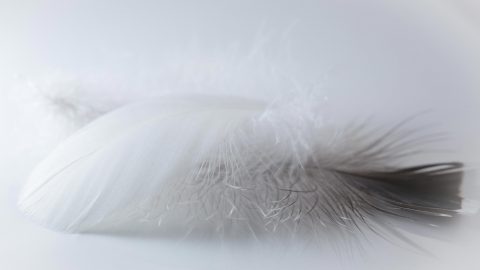
2. Feather Pillow Filling
Feathers are down’s cheap little brother. We recommend you avoid feathers and spend the extra money on real down.
With use, the feathers’ quills shift, gradually aligning themselves so they’re all parallel to each other. This can cause a feather pillow to lose a considerable amount of loft and it may become become flat and uncomfortable. For this reason, manufacturers sometimes add some down clusters to the feathers; this slows degeneration.
Advantages of Feather Pillows:
- cheaper than down
- light and cuddly
- moldable/malleable
Disadvantages of Feather Pillows:
- “at least 15% of owners report a lingering and unpleasant odor.”
- requires consistent fluffing to maintain its loft due to the quills flattening
- difficult to clean
- absorbs and retains body heat which can make your pillow feel warm and uncomfortable
- some consider the harvesting of down to be inhumane
If the negative characteristics of feathers are acceptable and you’d like to save some cash, try this feather and down combo fill available at Amazon. You’ll need around 1 lb. to fill a standard size (20×26″) pillow.
Read More: What You Don’t Know About Feather and Down Pillows
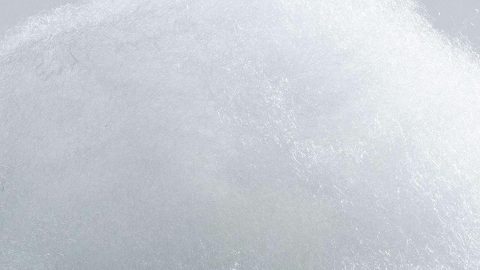
3. Polyester Fiberfill Pillow Filling
Polyester fiberfill, also referred to by it’s trademarked name, Poly-Fil (or Polyfill Stuffing), is a popular option thanks to its low price. It’s lightweight, easy to clean, and did I mention it’s CHEAP? Fiberfill isn’t very breathable, so it can make your pillow fill warm; it will absorb and retain your body heat. Additionally, the fibers tend to clump which can quickly make your pillow feel flat and lumpy. Avoid polyester pillow filling unless you’re specifically looking for the most cost-effective option.
Polyester Pillow Filling Advantages:
- dirt cheap
- easy to clean
- lightweight
Polyester Pillow Filling Disadvantages:
- clumps easily requiring frequent readjustment and a lumpy pillow
- short life span due to the clumping issue
- potentially hazardous to your health and the environment — the production of polyester fibers involves the use of nasty chemical ingredients like formaldehyde, benzene, toluene and other toxins
- not moldable/malleable
- not breathable — can feel warm
It’s easy to find at most big brick and mortar retailers like Walmart. This is currently Amazon’s best seller. You’ll need 1-2 lbs. to fill a standard size (20×26″) pillow.
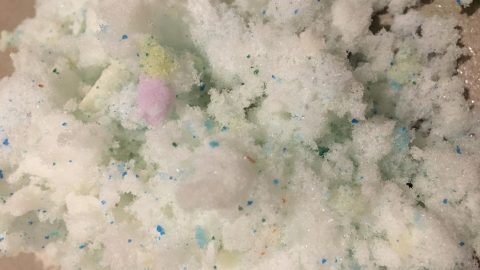 4. Shredded Memory Foam Pillow Filling
Memory foam is manufactured using polyurethane and several other chemicals. Because of this, it unfortunately often emits a strong chemical odor. This “off gassing” of volatile organic compounds is a common and well-documented issue. There are various reports and studies which indicate that memory foam may be somewhat toxic.
Toxicity aside, memory foam pillow filling is pretty neat! If you’ve ever felt it, you know what I mean: It’s sort of magical the way it retains its shape. I suspect that it’s this “magic” that makes them so popular; people are immediately impressed with the way memory foam feels.
Most mass-produced memory foam pillows consist of a single piece of box-shaped memory foam. Some consumers swear by them. But for most, the simple fact that most memory foam pillows are not moldable is a deal-breaker. No matter how you squish or sculpt it, the memory foam bounces back to its original rectangular shape. Because of this limitation, most prefer “shredded” memory foam. As the name implies, it’s memory foam that’s been torn into tiny pieces. The individual pieces of foam move independently, allowing your pillow to be moldable.
Advantages of Shredded Memory Foam Pillow Fill:
- doesn’t clump
- moldable/malleable
- offers good support
Disadvantages of Shredded Memory Foam Pillow Fill:
- chemical odor
- potentially dangerous “off-gassing”
- can soften and become too thin when body heat is absorbed, resulting in inconsistent support that doesn’t elevate your head high enough
Shredded memory foam isn’t something your local retailer keeps on the shelves, but Amazon has several options available. You’ll need 2-3 lbs. to fill a standard size (20×26″) pillow.
Read More: That Memory Foam Smell
Read More: Is a Shredded Memory Foam Pillow Better?
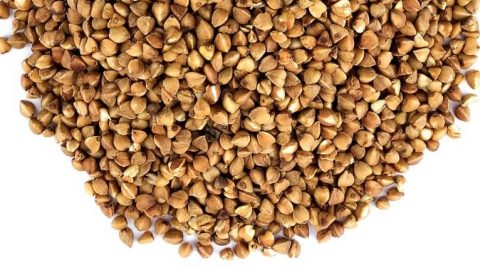
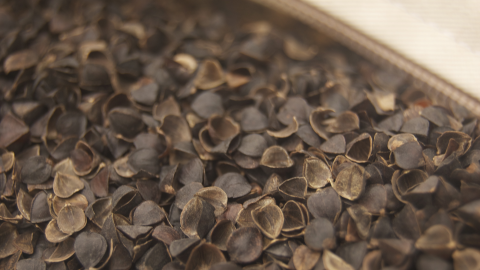
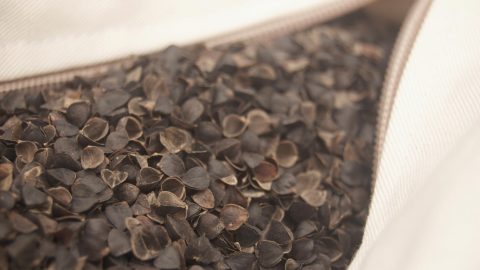 5. Buckwheat Hull Pillow Filling
Buckwheat hulls are firm yet highly malleable and breathable, which makes them ideal pillow fill.
Full disclosure: we sell buckwheat pillows. We love these things! We’ve tried a lot of different types of pillow filling, and we think nothing beats all-natural, old-fashioned buckwheat hulls. We started manufacturing buckwheat pillows because we thought they were simply the best.
Advantages of Buckwheat Hull Pillow Filling:
- superior support to all other pillow filling — buckwheat hulls will conform perfectly to the shape of your head and neck
- breathable/promotes air flow keeping you cool
- long life-span
- moldable/malleable – it holds its shape and offers terrific support
- eco-friendly
Disadvantages of Buckwheat Hull Pillow Filling:
- buckwheat hulls make a rustling noise when shifted
- heavy — a 20×26″ buckwheat pillow weighs around 8 pounds
- too firm for some — buckwheat hull filling does not collapse under pressure, which can initially feel “hard” to those acclimated to soft pillow types
Hullo buckwheat hulls are available in 10 or 20 lb. boxes for $49 and $89. All orders ship for free. 10 lb. will adequately fill a standard-sized pillow.
Read More: What Are the Benefits of a Buckwheat Pillow?
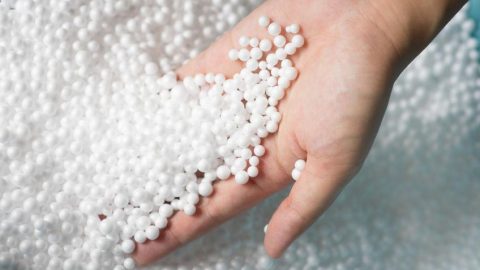 6. Microbead Pillow Pillow Filling
Microbeads are also called “uniform polymer particles.” Most microbeads used in pillows is made from a material called polystyrene. You could call them the synthetic alternative to buckwheat hulls. They share a lot of the same characteristics: they promote air flow and they’re malleable as well. Unfortunately microbeads loose their volume and flatten out more quickly than other pillow filling types. They’re also not very good for the environment.
Advantages of Microbead Pillow Filling:
- breathable — keeps cool at night
- moldable/malleable — it holds its shape and offers good support for your head, neck and shoulders
- extremely lightweight, making them useful in large pillows like bean bags
Disadvantages of Microbead Pillow Filling:
- chemical odor and potentially dangerous “off-gassing”
- no variety of firmness or loft (they’re mostly medium firm, medium loft)
- short life span — microbeads quickly degenerate and flatten out with use
I’ve never tried this product, but the manufacturer claims that these microbeads last longer than other types. They’re apparently smaller and more dense than other types.
Read More: The Microbead Pillow Will (Comfortably) Ruin Us All
7. Shredded Latex Pillow Filling
Latex pillows are becoming quite popular. They offer good support for your head and neck while retaining a soft feel. Like most memory foam pillows, the most popular latex pillows sold are solid box shaped pieces of latex that aren’t moldable. However, shredded latex pillow filling is moldable and malleable.
Manufacturers can call their pillow filling, “natural latex” as long as there is a percentage of natural material in the synthetic blend. I recommend you look for shredded latex pillow filling that is labeled “100% natural latex.”
Advantages of Shredded Latex Pillow Filling:
- moldable/malleable
- breathable — keeps cool at night, although it doesn’t compare to the breathability offered by buckwheat hulls or microbeads
- eco-friendly
Disadvantages of Shredded Latex Pillow Filling:
- “rubbery” odor
- can be too soft for some, resulting in inconsistent support that elevates your head too high or low
- expensive
Amazon has organic shredded latex foam in 5 lbs. bags.
Read More: Shredded Latex Pillow Review
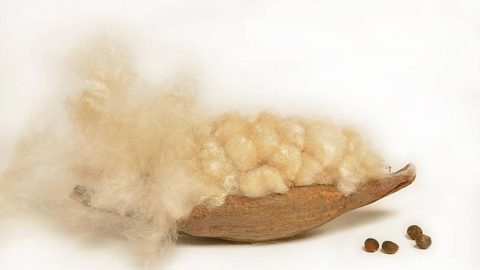 8. Kapok Pillow Filling
Kapok, or ceiba pentandra, is a tropical tree native to Mexico that flowers, producing a fluffy, cotton-like material containing hundreds of seeds. This light brown, soft fibre is sometimes called silk cotton. Its soft quality makes it a good alternative to down or polyester pillow fill.
Kapok’s qualities made it a very popular for filling pillows, upholstery, and even life preservers. Kapok’s use dramatically declined upon the introduction of polyester/polyurethane foams, but it is currently experiencing a small revival thanks to its all-natural characteristics.
Advantages of Kapok Pillow Filling:
- free of the potentially toxic materials in many foam pillows
- eco-friendly
- soft texture is a good alternative to those accustomed to foam or down pillows
Disadvantages of Kapok Pillow Filling:
- extremely flammable
- quickly develop lumps, much like polyester foam pillows do
- not moldable, does not hold its shape
Amazon has organic kapok. You’ll need about 1-2 lbs to fill a standard (20×26″) pillow.
Read More: Kapok Pillow Review — A Comfortable and Safe Alternative?
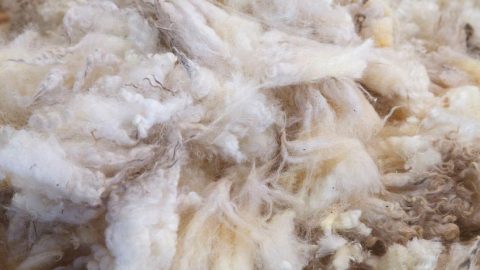 9. Wool Pillow Filling
Wool’s breathable and insulative qualities make it uniquely suited for use in many different products. For thousands of years it’s been used extensively for diverse products including clothing, blankets, carpeting, insulation and upholstery. Wool however isn’t extensively used as pillow filling due to its tendency to clump into balls, making your pillow lumpy and inconsistent.
Read More: Can a Wool Pillow Help You Sleep Better (Without Foul Odors)?
Advantages of Wool Pillow Filling:
- free of the potentially toxic materials in many foam pillows
- breathable
Disadvantages of Wool Pillow Filling:
- many (myself included) complain of foul odors, particularly in humid environments
- with use, wool quickly becomes lumpy and uncomfortable (see above photo)
- not very moldable, does not hold its shape like down or buckwheat hull filling
- some consider it inhumane
Amazon has 1 LB bags of merino wool. About three pounds will adequately fill a standard size pillow.

10. Cotton Pillow Filling
Cotton is soft and compressible although slightly more firm than traditional pillow filling like down or polyfill. New synthetic materials such as memory foam have relegated cotton to a minority position as pillow filling.
Read More: Is a Cotton Pillow Better than a Down Pillow?
Advantages of Cotton Pillow Filling:
- odorless
- free of the potentially toxic materials in many foam pillows
- breathable
Disadvantages of Cotton Pillow Filling:
- with use, cotton can become lumpy and uncomfortable (it’s worth noting that it will resist clumping better than wool)
- not very moldable, does not hold its shape like down or buckwheat hull filling
Amazon has organic cotton filling available by the pound. About three pounds will adequately fill a standard size pillow.

PrimaLoft™
11. Down Alternative Pillow Filling
Down alternative pillow filling attempts to mimic down’s advantages while improving upon some of down’s disadvantages.
Read More: Are Down Alternative Pillows Superior to Mother Nature’s?
Advantages of Down Alternative Pillow Filling:
- It is far cheaper than genuine down.
- Most down alternative pillows are very easy to clean without damaging them.
Disadvantages of Down Alternative Pillow Filling:
- With use, most down alternative filling will develop lumps.
- They’re not moldable or malleable; they do not hold their shape like genuine down pillows.
- They retain more heat than traditional down pillows.
This down alternative filling is available at Amazon in 1, 2, 3 and 5 lb. bags. About two pounds will adequately fill a standard size pillow. Note that there are a lot of different types of down alternative fillings marketed under different brand names. The quality will vary considerably.
Don’t box yourself in! Make your pillow adjustable!
Adding more or less pillow filling will dramatically change the character of your pillow. Generally speaking, adding more filling will increase the loft of your pillow and make it feel more firm. Conversely, a reduction of pillow filling will result in a softer, thinner pillow. Determining the amount of filling to stuff in your pillow is almost as critical as picking the filling itself.
After the filling has been chosen and stuffed into a fabric case, most bed pillows are immediately sewn shut. Once it’s been sewn shut, there’s no further opportunity for adjustment. Most commercially produced pillow don’t include a zippered opening; it is considered an unnecessary and expensive feature. If you’re making your own pillows, I highly recommend you include a zipper along one of the short edges. This will allow you to add or remove filling, making it easy to adjust the loft and relative firmness/softness to your personal preferences.
* Amazon Affiliate Disclosure: Hulltex LLC (dba Hullo) is a participant in the Amazon Services LLC Associates Program, an affiliate advertising program designed to provide a means for sites to earn advertising fees by advertising and linking to amazon.com